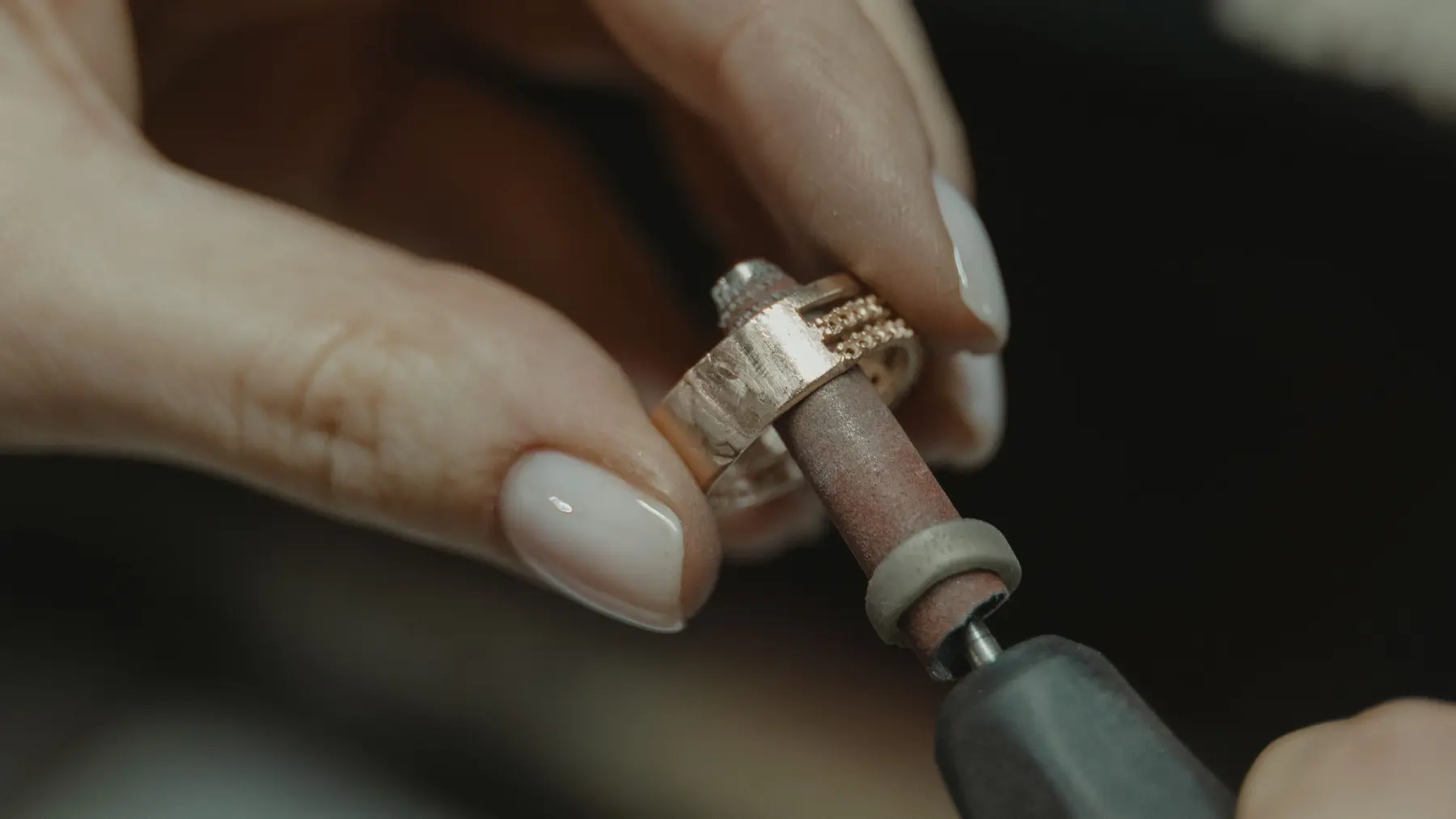
Iran’s gold and jewellery industry does not lack history, skill, or human capital. What it lacks is a consistent way to turn those strengths into brands, transferable knowledge, and collective capacity. The trade has long advanced through personal trust, product quality, and price. All three remain essential, but they are no longer enough to build what comes next.
A good product is necessary—but no longer sufficient
Poor quality eventually reveals itself in gold. Good quality, however, is not always visible. Today’s customer compares more than weight, purity, and making charge. They want to know who stands behind the object, why that business deserves trust, what the design means, and how the experience differs from dozens of alternatives.
The old rules have not become irrelevant. Trust remains the central asset; the way trust is demonstrated has changed. Word-of-mouth credibility now has to be visible in product, packaging, service, digital presence, and the brand’s tone. That is the distance between a good seller and an enduring brand.
In gold, a brand does not replace trust. It makes trust visible, repeatable, and scalable.
A brand is not a logo or a colour palette
When branding is reduced to a logo, two colours, and a stream of social posts, it becomes an expense rather than an investment. A real brand is a commercial decision: whom do we create value for, what do we promise, why should we be chosen, and how is that promise delivered consistently at every point of contact?
The answers shape product selection, pricing, store architecture, staff training, photography, customer response, and after-sales policy. A business that looks luxurious in advertising but behaves chaotically in reality loses credibility quickly. Luxury markets remember inconsistency.
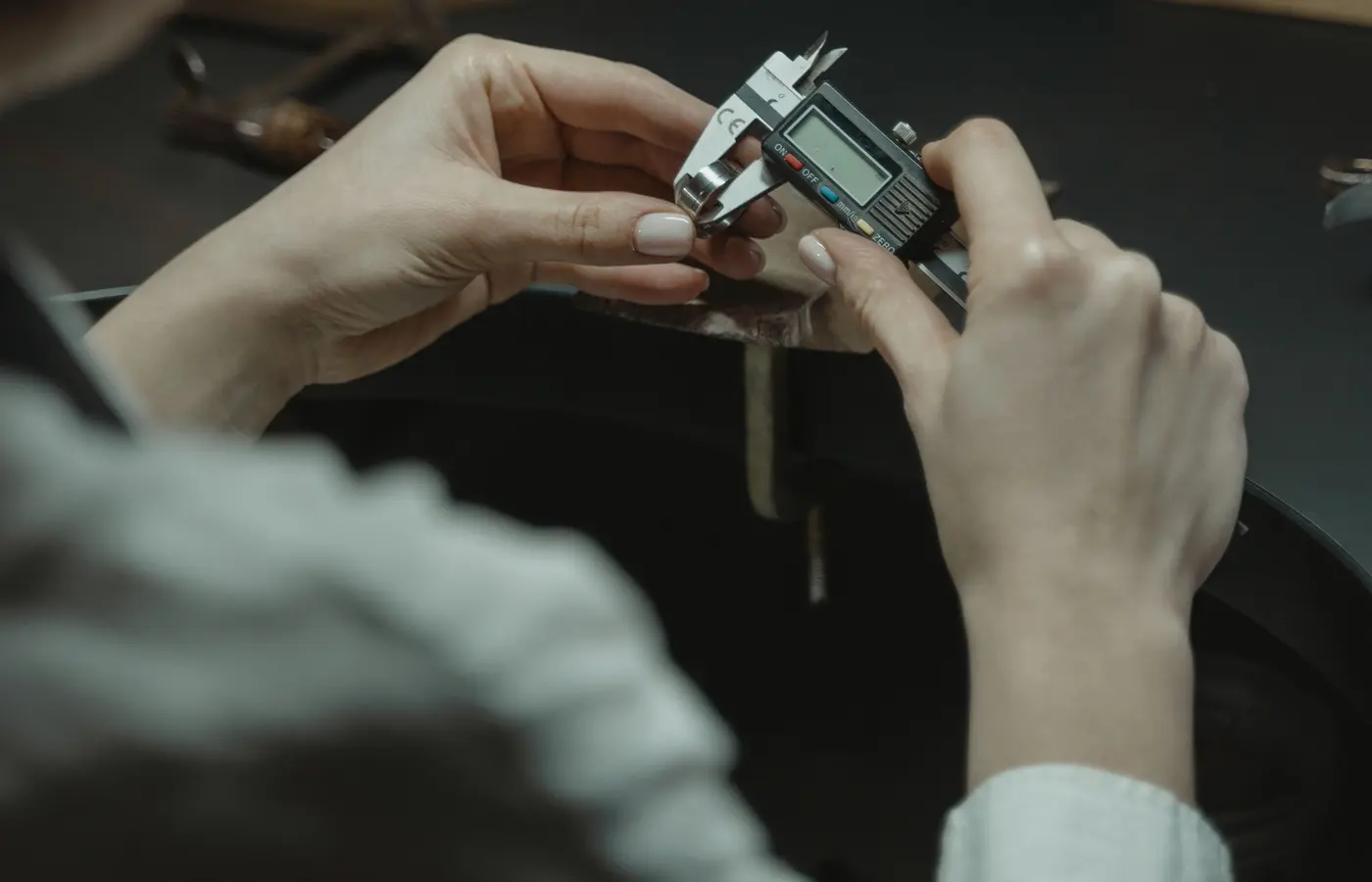
Education must become industry infrastructure
Much of the trade’s knowledge still moves orally through apprenticeship. That keeps practical knowledge alive, but it also means experience is rarely documented. When an individual steps away, part of the industry’s memory can leave with them.
The next generation needs both sides: classical design and making, together with software, presentation, pricing, product management, and brand literacy. A masterclass matters when it answers a real problem, is led by someone who has done the work, and leaves participants with something they can apply.
Long-form content and business podcasts build trust
Gold is full of undocumented experience: hard production decisions, expansion mistakes, customer negotiations, capital management, collection building, and survival through crisis. Short content can attract attention; serious knowledge rarely fits into fifteen seconds.
A specialist podcast should not flatter its guest. It should ask precise questions, separate experience from assertion, and create something worth hearing months later. For gold businesses, that is more than marketing: it builds credibility, professional networks, and a shared industry memory.
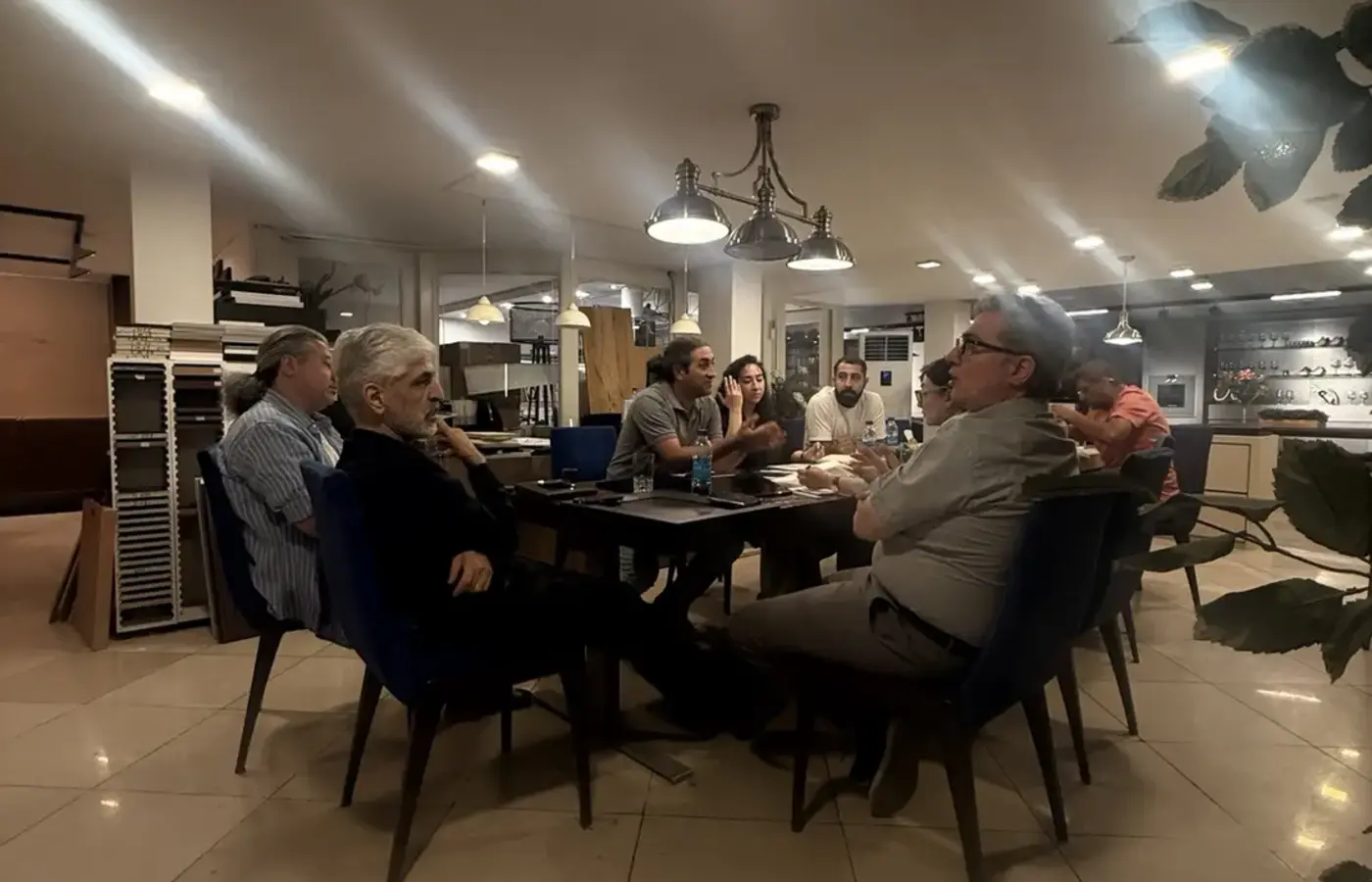
Industry dialogue is not the opposite of competition
The fear is understandable: share experience and you may lose an advantage. Mature industries distinguish between trade secrets and the shared knowledge needed to grow a market. Professional standards, sales ethics, talent development, technology, and public trust cannot be solved by one brand alone.
Businesses can compete fiercely in product and model while helping raise the level of the field. A market with stronger trust becomes larger and safer for serious participants.
Where DIDAR comes from
DIDAR is not an outside theory imposed on gold. It grew from the Beheshti family’s experience in the trade, the DIDAR Book’s attempt to record its people and knowledge, and the more recent work of DIDAR Gold. Today, Sina Beheshti leads DIDAR’s brand and business development, connecting market experience, brand building, and new commercial opportunities.
DIDAR is not trying to replace the trade, education, media, or business. It is building a point where these can meet through events and dialogue, masterclasses, a specialist podcast, research, and professional connection. Its value will not be the number of programmes, but the quality of the people, questions, and outcomes each one leaves behind.

Conclusion: future value will not be measured only by weight
Gold will always be valuable material. The businesses of the future will create value beyond the material itself. They will turn trust into experience, skill into transferable knowledge, product into brand, and competition into a more professional market.
None of this is easy. Branding without operations becomes appearance; education without real problems becomes entertainment; content without honesty becomes promotion. Put together properly, however, these elements can build more than daily sales: memory, credibility, and an industry the next generation wants to continue.